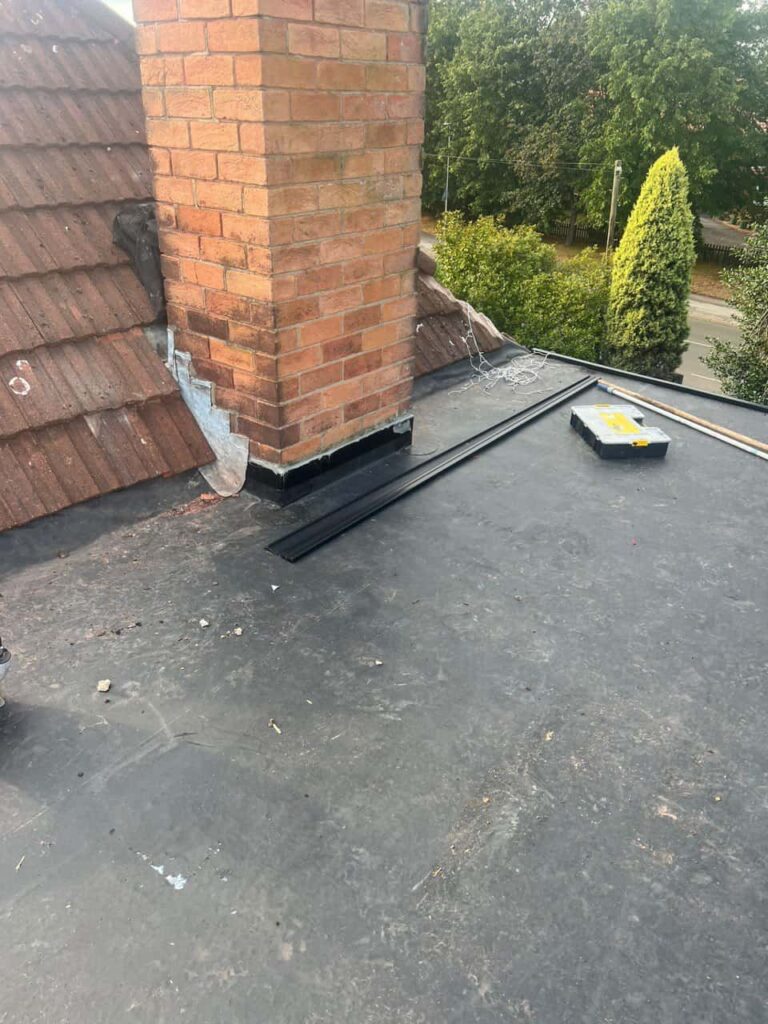
Fascias and soffits are important parts of a roofline, helping protect the edges of a property while also contributing to its overall appearance. Although they may not attract as much attention as roof tiles or gutters, damaged or deteriorating roofline components can affect more than just the look of a home.
Replacing worn fascias and soffits can improve the condition of the roofline, support effective ventilation and provide a cleaner finish. For homeowners in Marlborough, Wiltshire, understanding the benefits of new fascias and soffits can help when deciding whether existing roofline materials need attention.
Protecting the roofline from moisture
One of the key functions of fascias and soffits is helping protect the roof structure and roofline from exposure to the elements. Damaged, cracked or deteriorated materials can allow moisture to reach areas that should remain protected.
Persistent moisture can contribute to deterioration around the roof edges, particularly where existing materials are already weakened. Replacing damaged fascias and soffits can help restore this protective layer and reduce the opportunity for water to enter vulnerable areas.
Supporting the guttering system
Fascias commonly provide an important fixing point for guttering. When the fascia becomes weakened or damaged, the guttering attached to it may become less secure.
Loose or poorly supported gutters can affect how rainwater is collected and directed away from the property. Installing sound, properly fitted fascias can provide a stronger foundation for the guttering system and help maintain effective rainwater management.
Improving roofline ventilation
Soffits can play a role in allowing air to circulate through the roof space when appropriately designed and installed. Adequate ventilation can help reduce the build-up of moisture within the roof area.
When replacing soffits, it is therefore important to consider ventilation rather than simply focusing on appearance. The correct installation can help maintain a healthier roof environment while providing a neat finish to the underside of the roof edge.
Preventing further deterioration
Older roofline materials can gradually deteriorate due to continued exposure to rain, wind and changing weather conditions. Signs such as peeling surfaces, cracks, sagging sections or rotting timber should not be ignored.
Replacing deteriorated fascias and soffits removes visibly damaged components and allows the roofline to be brought back into better condition. Addressing problems before they spread can also make roof maintenance more straightforward.
Creating a cleaner, more attractive appearance
New fascias and soffits can make a noticeable difference to the appearance of a property. Worn, discoloured or damaged roofline materials can make an otherwise well-maintained home look tired.
A professionally installed roofline provides clean, consistent lines around the edge of the roof. This can complement the existing roof and improve the overall appearance of the property without changing its character unnecessarily.
Choosing suitable roofline materials
When replacing fascias and soffits, the material used should be appropriate for the property and the requirements of the roofline. Modern roofline systems can offer practical advantages, but correct installation remains essential.
A professional roofer can assess the existing roofline and recommend a suitable approach based on its condition, construction and surrounding components.
Why professional installation matters
Fascia and soffit replacement involves more than simply removing old boards and attaching new ones. The condition behind the existing roofline should be considered, particularly if there are signs of moisture damage or deterioration.
At LJ Roofing Marlborough, we can inspect the existing fascias and soffits and identify areas that require attention. Our work focuses on providing a properly fitted roofline that supports protection, ventilation and the appearance of the property.
For homeowners in Marlborough, Wiltshire, professional installation can help ensure that new roofline components work effectively alongside the existing roofing and guttering.
Signs your fascias and soffits may need replacing
Some common warning signs include:
- Cracked, split or rotting fascia boards
- Sagging or loose guttering
- Peeling or deteriorating surfaces
- Water staining around the roofline
- Visible gaps or damaged soffits
- Evidence of deterioration around roof edges
If you notice any of these issues, an inspection can help establish whether repair or replacement is the most appropriate solution.
Conclusion
New fascias and soffits can improve both the protection and appearance of a property’s roofline. They can help shield vulnerable roof edges from moisture, provide support for guttering, assist with ventilation and give the property a cleaner, more maintained appearance.
For homeowners in Marlborough, Wiltshire, dealing with deteriorated roofline components promptly can help maintain the condition of the wider roofing system.
If your fascias or soffits are showing signs of damage or deterioration, contact LJ Roofing Marlborough to arrange an assessment and discuss the most suitable roofline solution for your property.
Call us on: 01672 550 679
Click here to find out more about LJ Roofing Marlborough
Click here to complete our contact form and see how we can help with your roofing needs.