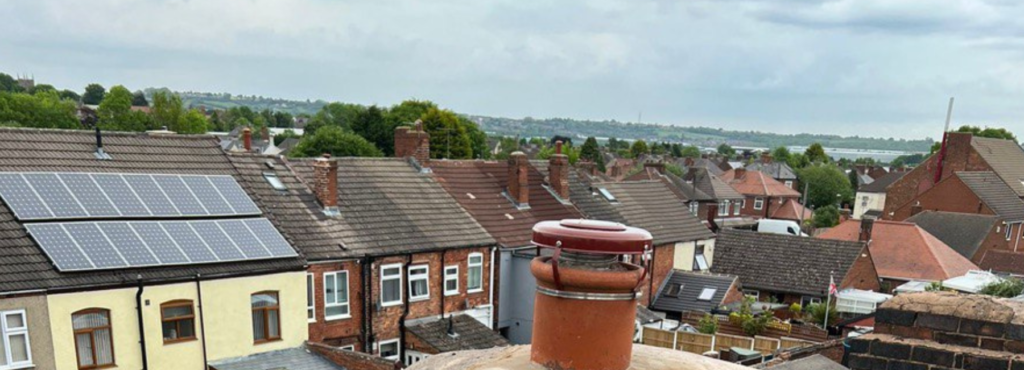
A roof naturally experiences wear throughout its working life. Constant exposure to rain, wind, changing temperatures and seasonal weather gradually affects tiles, fixings, flashing and other roofing components. Not every sign of ageing means that major work is required, but certain changes should not be ignored.
The difficulty for homeowners is knowing which signs represent normal weathering and which could indicate a developing roofing problem. For properties in Marlborough, Wiltshire, recognising deterioration early can make it easier to protect sound roofing materials and prevent a localised defect from becoming more widespread. At LJ Roofing Marlborough, a professional roof assessment can identify the cause and extent of deterioration before the appropriate repair or roofing work is recommended.
Why Roof Deterioration Deserves Attention
Roof deterioration rarely affects every component at exactly the same time. One area may remain serviceable while another begins to weaken.
This means the first signs can sometimes appear relatively minor.
The important consideration is whether deterioration is affecting the roof’s ability to remain secure and weather-resistant. Once water or wind begins exploiting a weakness, surrounding materials can gradually become affected as well.
Homeowners should therefore take changes seriously when they suggest the roof is no longer performing as intended.
1. Slipped or Missing Roof Tiles
A slipped or missing tile is one of the clearest signs that a roof requires attention.
Tiles form the external weather-resistant covering, so displacement can expose the materials beneath more directly to rain and wind.
One missing tile does not automatically indicate widespread roof failure. If the surrounding materials remain sound, a local repair may be sufficient.
However, repeated slipping across different sections can indicate a wider issue involving ageing fixings, deteriorating materials or the general condition of the roof.
2. Cracked or Broken Tiles
Damage can develop before a tile becomes completely displaced
A roof tile does not have to be missing to create a potential weakness.
Cracks and broken sections can affect the tile’s ability to shed water correctly. Continued weather exposure can then cause the damage to worsen.
Homeowners who notice broken roofing materials should arrange an assessment rather than waiting for pieces to fall away or moisture to become visible inside the property.
Early replacement of isolated damaged tiles can help preserve the surrounding roof.
3. Recurring Roof Leaks
An occasional localised leak may have a straightforward cause, such as a damaged tile or flashing defect.
Repeated leaks deserve closer attention.
If water ingress appears in several locations or returns after unrelated repairs, this can suggest that deterioration is affecting more than one part of the roofing system.
Potential vulnerable areas include:
- Roof coverings
- Flashing
- Valleys
- Ridges
- Roof junctions
- Underlying materials
At this stage, assessing the complete roof becomes more useful than concentrating solely on the latest visible damp patch.
4. Damp Patches or Ceiling Staining
Internal symptoms can reveal external roofing problems
One of the first signs homeowners notice may actually appear inside the property.
Discolouration, damp marks or staining on ceilings can indicate that moisture has entered the roofing system.
The location of the mark does not necessarily identify where water entered. Moisture can travel along roofing materials before becoming visible internally.
Even a relatively small mark should therefore be investigated if it appears after rainfall or continues to return.
5. Deteriorating Flashing
Flashing is used around important roof junctions and other vulnerable areas to prevent water penetration.
Over time, flashing can deteriorate, move or separate from adjoining surfaces.
Problems may become visible as:
- Cracking
- Lifting
- Separation
- Movement
- General weathering
Because flashing protects areas where water penetration can readily occur, defects should be assessed before repeated rainfall begins affecting surrounding materials.
6. Loose Ridge Tiles
The uppermost parts of a roof experience considerable exposure
Ridge tiles are positioned along the highest sections of many roofs and are therefore exposed to wind and changing weather.
If they become loose or surrounding materials deteriorate, movement can increase over time.
Signs of concern can include:
- Visible displacement
- Cracking around ridge sections
- Loose material
- Changes following strong winds
Prompt attention can help prevent an isolated ridge defect from affecting neighbouring sections.
7. Several Tiles Failing Around the Same Time
One damaged tile can be an isolated problem. Numerous tiles beginning to fail across the roof tells a different story.
When tiles repeatedly crack, slip or require replacement in several locations, the roof covering may be experiencing broader deterioration.
This does not automatically mean complete replacement is required, but it does justify assessing the roof as a whole.
The condition of the surrounding tiles, fixings and underlying components can then be considered before deciding whether further targeted repairs remain appropriate.
8. Problems Keep Returning After Previous Repairs
Previous repairs are not themselves a sign of a failing roof.
Professional repairs can extend the useful life of a roofing system considerably. However, homeowners should pay attention when new and unrelated defects begin occurring increasingly frequently.
For example, one area may require tile repairs, followed shortly afterwards by a leak elsewhere and then deterioration around another roof detail.
If this pattern continues, it may indicate that several original components are ageing together.
9. Visible Changes After Strong Winds
Poor weather can reveal existing weaknesses
Strong winds do not always create a roofing problem from nothing. They can expose materials that were already becoming loose or vulnerable.
Following particularly windy weather, homeowners may notice:
- Displaced tiles
- Missing roofing materials
- Movement around ridge sections
- Loose flashing
- Debris around the property
These changes should be inspected from a safe position at ground level. Accessing the roof without appropriate equipment and experience should be avoided.
Where something appears to have moved, professional assessment can determine whether the damage is isolated.
10. Signs of Deterioration in the Loft
Not every roofing problem is clearly visible from outside.
The loft can sometimes provide early indications that moisture is penetrating the roof.
Homeowners may notice:
- Damp patches
- Water staining
- Moisture on roofing components
- Unusual changes following rainfall
- Signs that previously dry areas have become affected
These symptoms deserve investigation even if the external roof appears relatively normal from ground level.
11. Roof Materials Are Becoming Increasingly Weathered
Roofing materials naturally change appearance as they age. Weathering alone does not necessarily mean they have stopped performing correctly.
The concern arises when visual ageing is accompanied by physical deterioration.
For example, roofing materials may become:
- Cracked
- Loose
- Brittle
- Damaged around edges
- Increasingly unstable
Condition matters more than appearance alone.
A professional roofer can help distinguish between normal ageing and deterioration that is beginning to affect performance.
12. Different Parts of the Roof Are Failing Together
One of the most important warning signs is not a single defect but a combination of several.
A roof may begin experiencing damaged tiles, deteriorated flashing, ridge problems and recurring leaks within a relatively short period.
When several components require attention together, repeatedly treating each problem separately may no longer provide the most effective approach.
A complete assessment can establish whether deterioration remains repairable in individual areas or whether a more comprehensive roofing solution should be considered.
What Happens If Roof Deterioration Is Ignored?
The main risk of delaying attention is that a localised weakness can begin affecting materials that were previously sound.
For example, a damaged tile may allow water to reach the underlay. Continued exposure can then affect supporting components or eventually lead to moisture entering the roof space.
A defect that originally involved one external component can therefore develop into a multi-layer problem.
Prompt repair helps interrupt this progression.
Does an Ageing Roof Automatically Need Replacing?
Age alone does not determine roof condition
An older roof does not necessarily require complete replacement.
If the covering remains secure, underlying materials are serviceable and defects are genuinely localised, professional repairs may continue to provide reliable results.
Replacement becomes more relevant where deterioration is widespread and several parts of the roofing system are reaching a similar stage of decline.
The decision should therefore be based on the actual condition of the roof rather than simply how long it has been installed.
Why Early Assessment Gives Homeowners More Options
When deterioration is identified early, there is a greater possibility that sound materials can be retained.
A local repair may involve replacing a damaged tile, correcting flashing or dealing with another isolated weakness.
If the same defect remains exposed for a prolonged period, moisture and weather can affect neighbouring materials and make the required work more extensive.
Early assessment therefore provides an opportunity to:
- Identify the underlying cause
- Determine how far deterioration has spread
- Preserve serviceable roofing materials
- Prevent secondary damage
- Choose an appropriate repair while the problem remains manageable
This is why homeowners should not necessarily wait for a dramatic leak before arranging attention.
Professional Roof Assessment in Marlborough
At LJ Roofing Marlborough, we provide professional roofing services for properties throughout Marlborough, Wiltshire. When homeowners notice signs of roof deterioration, our approach is to determine both the visible problem and its underlying cause.
Where deterioration remains localised, targeted roof repairs may be sufficient to restore dependable protection. Where several components have deteriorated together, assessing the complete roofing system allows a more appropriate long-term solution to be considered.
Professional inspection removes much of the uncertainty surrounding roof condition and helps ensure that work is based on what the roof genuinely requires.
Conclusion
Homeowners should take roof deterioration seriously when it begins affecting the security or weather resistance of the roofing system. Slipped tiles, cracked materials, recurring leaks, damp staining, loose ridge tiles and deteriorating flashing are all signs worth investigating.
The pattern of deterioration is equally important. One isolated defect may require only a straightforward repair, while repeated problems across several areas can indicate that the roof requires a more comprehensive assessment.
If you have noticed signs of roof deterioration at your property in Marlborough, Wiltshire, contact LJ Roofing Marlborough. Our experienced team can assess the condition of your roof, identify the cause of any problems and recommend the appropriate work to help maintain reliable protection for your home.
Call us on: 01672 550 679
Click here to find out more about LJ Roofing Marlborough
Click here to complete our contact form and see how we can help with your roofing needs.